
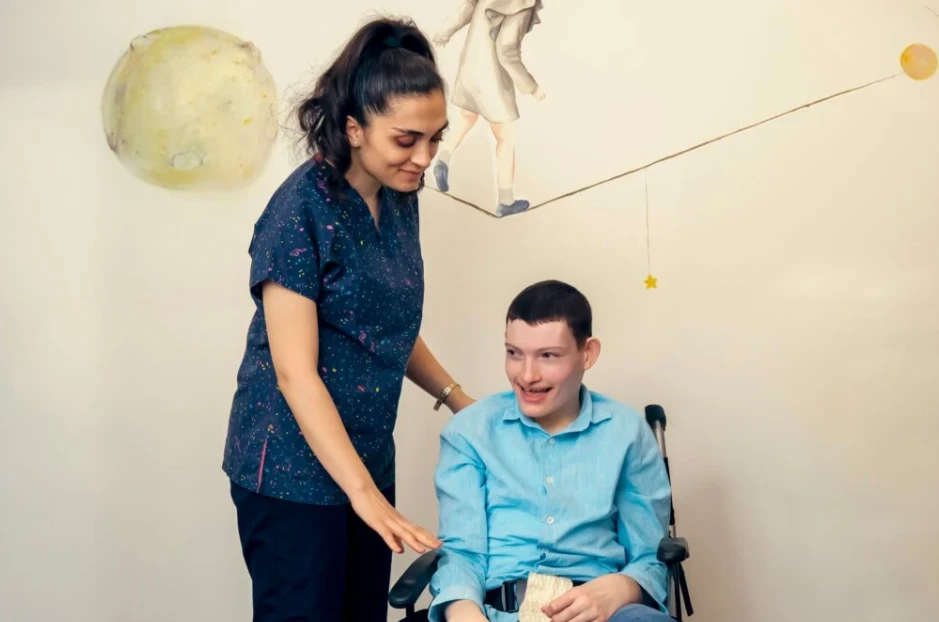
When someone moves into a residential program, they are not just changing addresses. They are trusting a new group of people with their daily routines, their personal space, and their sense of self. Privacy, dignity, and respect are the foundation that makes this trust possible, and without them, even the most well-run home falls short of what participants deserve.
For individuals with developmental disabilities and the families who support them, these three values shape everything from how a bedroom door is treated to how a caregiver speaks during a difficult moment. In Maryland, where residential services follow specific DDA guidelines, understanding what privacy, dignity, and respect look like in practice helps families know what to expect and what to ask for.
What Does Privacy Mean in a Residential Setting?
Privacy in residential services means an individual has control over their own space, information, and personal choices, even while living in a shared or supported environment. It includes physical privacy, like knocking before entering a bedroom, and informational privacy, like keeping medical and personal records confidential.
Many families assume privacy is automatic once someone moves into a group home, but it actually requires intentional policies and staff training. A well-run home builds privacy into daily routines rather than treating it as an afterthought.
Some examples of privacy in action include:
- Staff knocking and waiting for a response before entering a participant’s room
- Personal mail, phone calls, and belongings kept confidential
- Medical information shared only with people who have a legitimate need to know
- Individuals given a say in who visits their living space and when
One thing families rarely hear from providers directly: privacy also extends to how staff talk about participants in front of other people, including other individuals receiving services. A visitor overhearing details about someone’s medication schedule or behavior plan in a common area is a privacy breach, even if no names are used carelessly. The best programs train staff to hold these conversations in private spaces, not hallways or shared living rooms.
Why Dignity Matters More Than Most People Realize
Dignity means treating each person as a capable adult with preferences, opinions, and the right to make choices about their own life. It shows up in small daily interactions far more often than in big policy decisions.
A person’s dignity is affected by how staff speak to them, whether their choices are honored, and whether they are given real opportunities to participate in decisions about their own care. Dignity is not a single event. It is built through hundreds of small moments each week.
Consider the difference between these two approaches to the same task. In one, a staff member walks into a participant’s room and starts picking out clothes for the day. In the other, the staff member asks what the participant wants to wear and offers two or three options if help is needed to narrow the choice. Both approaches accomplish the same practical goal, but only one preserves the person’s sense of control over their own life.
Dignity also means avoiding “elderspeak” or overly simplified language that talks down to adults, regardless of their communication style or support needs. Speaking to someone in a tone reserved for young children, even with good intentions, can feel diminishing. Person-centered support in Maryland’s DDA framework specifically asks providers to communicate in ways that match each individual’s age and preferences, not their diagnosis.
How Respect Shows Up in Daily Support
Respect in residential services means valuing a person’s culture, choices, relationships, and pace, even when it takes longer or looks different than a staff member might expect. It also means acknowledging a participant’s right to disagree, decline a task, or change their mind.
A common misconception is that respect simply means being polite. Politeness is part of it, but respect goes deeper. It means genuinely listening when someone expresses a preference, even if that preference complicates the day’s schedule. It means recognizing that an individual’s relationships with family, friends, or a faith community matter and should be supported, not treated as an inconvenience to manage around.
Respect also plays out in how mistakes are handled. Everyone has hard days, including individuals receiving services in a supported living environment. A respectful approach treats a difficult moment as something to work through together rather than a behavior to be corrected. This distinction matters because it shapes whether a participant feels supported or supervised.
How These Values Connect to Quality of Life
Privacy, dignity, and respect are not abstract ideals. They directly affect a person’s confidence, mental health, and sense of belonging. When someone feels their space is respected and their voice matters, they are more likely to participate actively in their community, build relationships, and pursue personal goals.
The opposite is also true. When privacy is ignored or choices are consistently overridden, individuals often withdraw. They may stop expressing preferences altogether because past experience taught them it would not matter anyway. This kind of quiet disengagement can be mistaken for contentment, when it is closer to resignation.
Person-centered planning, a core part of Maryland’s DDA services, exists precisely to prevent this outcome. Rather than fitting individuals into a fixed program structure, person-centered support starts with the individual’s goals and preferences and builds services around them. This approach naturally reinforces dignity because it puts the person, not the program, at the center of every decision.
What Families Should Look For When Evaluating a Provider
Families often focus on logistics when choosing a residential provider: location, availability, and service-fit. These matter, but they should not overshadow a closer look at how a provider actually protects privacy, dignity, and respect day to day.
A few practical questions can reveal a lot during a tour or conversation with a potential provider:
- How does staff handle an individual’s personal space and belongings?
- What training do staff receive on person-centered communication?
- How are decisions made when a participant’s preference differs from a staff recommendation?
- How is confidential information, like medical records, stored and shared?
- What opportunities exist for participants to voice concerns or feedback?
Watching how staff interact with current participants during a visit often tells families more than any brochure. Do staff members explain what they are doing before doing it? Do they wait for a response? Do participants appear at ease, or does the interaction feel rushed and transactional? These observations are hard to fake and worth paying close attention to.
How Helpful Hearts Health Services Puts These Values Into Practice
Community Living Group Homes are designed around the idea that a residence should feel like an actual home, not a facility. Individuals and families choose which licensed home fits best and who they want to live with, which keeps choice and control in the participant’s hands from the very start. Daily support inside these homes focuses on routines, personal care, and household management in a way that encourages independence rather than replacing it.

This same approach carries into Personal Support Services, where care is built around each person’s preferences within their own community rather than a fixed schedule. Assistance with daily living tasks, health coordination, and skill development is designed to preserve dignity by supporting independence instead of taking it over.
Nursing Services reflect the same standard applied to healthcare needs specifically. Quality care requires more than clinical accuracy. It requires consistency and a real understanding of each individual’s needs, delivered in a way that respects their comfort and privacy around medical matters.
For families in Maryland weighing residential options, understanding how a provider approaches Community Living Group Homes and support services in daily practice, not just on paper, makes the difference between a placement that merely provides care and one that genuinely supports a person’s growth and independence.
Frequently Asked Questions
What is the difference between privacy and dignity in residential care?
Privacy refers to control over personal space and information, such as who enters a room or who sees medical records. Dignity refers to how a person is treated during daily interactions, including whether their choices and opinions are honored. Both work together, but they address different parts of a participant’s experience.
How can families tell if a provider truly respects participants?
Families should observe staff interactions directly during a visit, paying attention to whether staff ask before acting, explain what they are doing, and respond to participant feedback. Asking specific questions about training and decision-making processes also reveals a provider’s actual practices, not just their stated values.
Does person-centered planning apply to all Maryland DDA residential services?
Yes, person-centered planning is a foundational requirement across Maryland DDA-funded services, including residential support. It requires providers to build services around each individual’s goals and preferences rather than fitting people into a standardized program structure.
Why do some individuals stop expressing preferences in residential settings?
When choices are consistently overridden or ignored, individuals may disengage and stop voicing preferences because past experience suggests it will not change the outcome. This is a sign that dignity and respect are not being consistently practiced, even if the environment appears calm on the surface.
What role does staff training play in protecting participant privacy?
Staff training determines whether privacy protections are followed consistently, from knocking before entering a room to keeping conversations about a participant’s care in private settings. Without ongoing training, even well-intentioned staff can develop habits that compromise privacy over time.
Moving Forward With Care That Honors the Individual
Privacy, dignity, and respect are not add-ons to quality residential care. They are the standard by which quality should be measured. Families evaluating options in Maryland deserve a clear picture of how these values are practiced daily, not just promised in a mission statement.
Helpful Hearts Health Services Inc. provides residential and personal support services built around person-centered care, where individuals with developmental disabilities are supported in living with independence, dignity, and genuine belonging. From Community Living Group Homes to nursing and personal support, every service is shaped around the individual, not the other way around. Families ready to learn more about residential services can request services to start the conversation.